

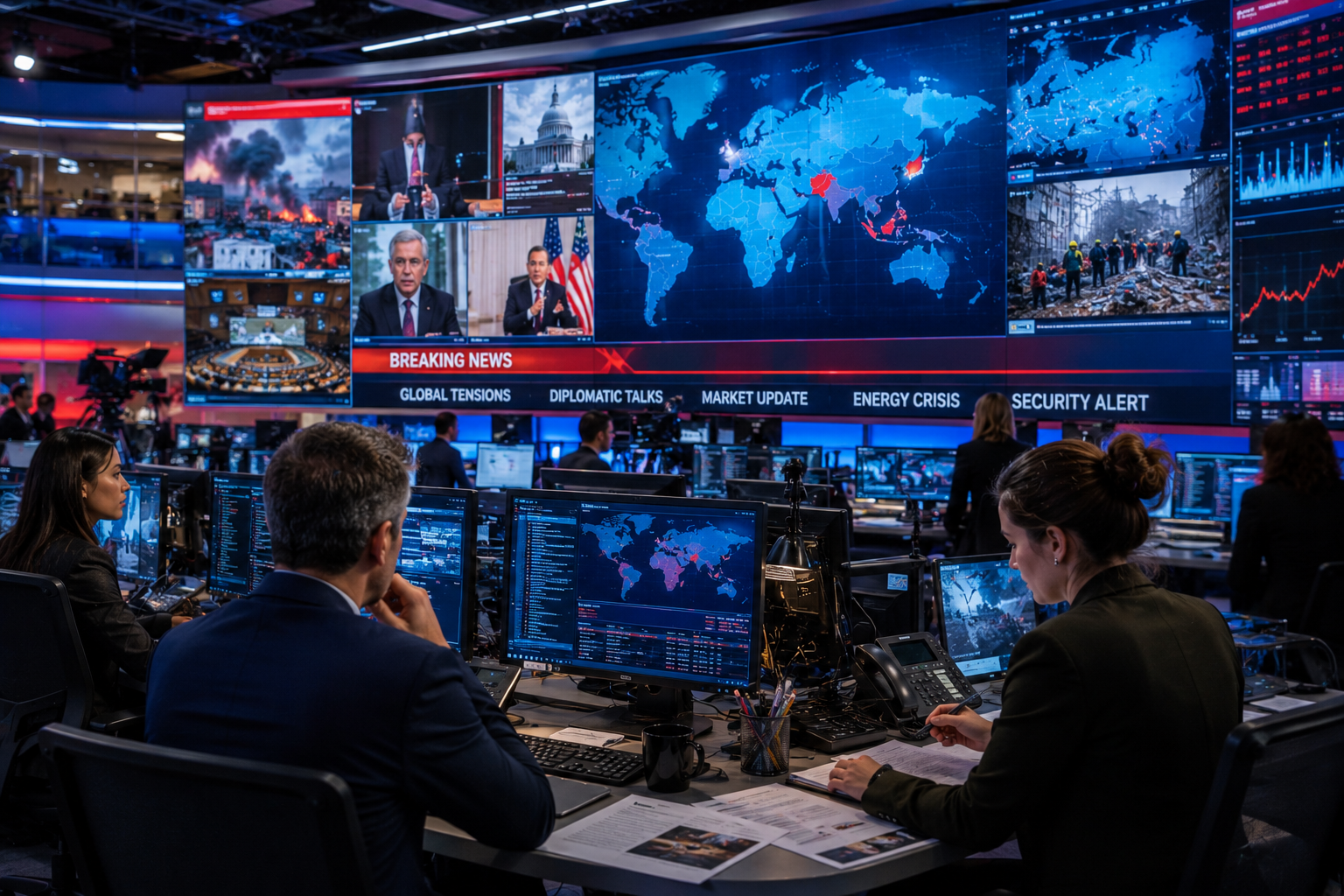
The world wakes up every day with new political shifts, economic pressure, and security concerns. The morning briefing May 2026 reflects a global landscape filled with uncertainty, where diplomacy, trade routes, and military tensions are deeply connected.
From the Middle East to Europe and Asia, governments are making decisions that influence oil flows, global markets, and international relations. This briefing brings together the most important developments shaping today’s world.
Rising Tensions Around Global Shipping Routes – Morning Briefing May 2026
One of the biggest concerns highlighted in the morning briefing May 2026 is the continued instability around key maritime routes.
The Strait of Hormuz remains at the center of global attention. This narrow waterway is essential for global energy transport, as a significant portion of oil shipments passes through it daily.
Recent developments show:
- Increased military presence in the region
- Ongoing risks to commercial shipping
- Shifts in global trade routes due to security concerns
These conditions are forcing shipping companies to rethink routes and insurance costs, which directly impacts global trade stability.
Diplomatic Efforts and Fragile Negotiations – Morning Briefing May 2026
Diplomacy remains active but highly fragile. The briefing highlights continued discussions involving regional and global powers attempting to reduce tensions.
Key diplomatic themes include:
- Efforts to reduce escalation between Iran and Western countries
- Talks involving mediators aiming to reopen communication channels
- Concerns about maintaining fragile ceasefire conditions in conflict zones
Even small diplomatic signals are now influencing global markets, showing how sensitive the geopolitical environment has become.
Middle East Security Remains a Global Concern
Security developments in the Middle East continue to dominate international headlines.
The situation involves multiple layers of tension:
- Military activity near key waterways
- Regional power rivalries
- Concerns about escalation affecting neighboring countries
The morning briefing May 2026 highlights how instability in this region is no longer local, it is global. Energy security, trade routes, and international diplomacy are all tied to these developments.
Economic Pressure and Global Market Reactions
Global markets are reacting strongly to political uncertainty. Investors are closely watching energy supply risks and geopolitical developments.
Recent market trends show:
- Oil price fluctuations due to supply concerns
- Stock market volatility driven by geopolitical news
- Increased demand for safe-haven assets in uncertain times
Energy markets are especially sensitive. Even rumors of disruption in supply routes can trigger rapid price movements, affecting both developed and developing economies.
Europe Faces Growing Strategic Challenges
Europe is also navigating a complex political and economic environment.
The briefing reflects concerns over:
- Energy security and trade stability
- Defense readiness in a changing geopolitical landscape
- Diplomatic balance between major global powers
European leaders continue to emphasize cooperation while preparing for potential economic shocks linked to global instability.
At the same time, internal political discussions are focusing on how to strengthen resilience in the face of global uncertainty.
Asia-Pacific and Global Economic Shifts
Asia-Pacific countries are also part of this evolving global picture. Economic growth continues, but external pressures are influencing decision-making.
Key trends include:
- Strong stock market movements in some Asian economies
- Concerns about energy imports and supply chains
- Increased focus on trade diversification
This region remains a major driver of global economic activity, meaning any instability in energy or shipping routes has immediate effects.
Humanitarian and Security Concerns Grow
Beyond politics and economics, the morning briefing May 2026 also reflects rising humanitarian concerns.
Ongoing conflicts and instability are leading to:
- Displacement of civilian populations in conflict zones
- Increased strain on humanitarian aid systems
- Growing international calls for peace and stability
Global organizations continue to warn that prolonged instability can have long-term human and economic consequences.
Why This Morning Briefing Matters
The importance of the morning briefing May 2026 lies in its ability to connect global dots. Events in one region quickly influence others, especially in today’s interconnected world.
Here’s why it matters:
- Energy markets respond instantly to geopolitical news
- Shipping disruptions affect global supply chains
- Diplomatic tensions influence global investor confidence
- Regional conflicts can escalate into global economic risks
Understanding these updates helps businesses, policymakers, and individuals make better decisions in uncertain times.
Final Thoughts
The morning briefing May 2026 paints a clear picture of a world balancing between diplomacy and tension. While governments continue to engage in talks and negotiations, global risks remain active across energy routes, trade systems, and political landscapes.
At the same time, markets and societies are adapting quickly to these changes. Investors are cautious, governments are alert, and international organizations are closely monitoring developments.
The message is simple: the world is deeply connected, and every political or security shift can have global consequences.
If you want to stay ahead, keeping track of these daily briefings is not just useful, it is essential for understanding where the world is heading next.
Read another interesting news here: Hormuz Operation
