

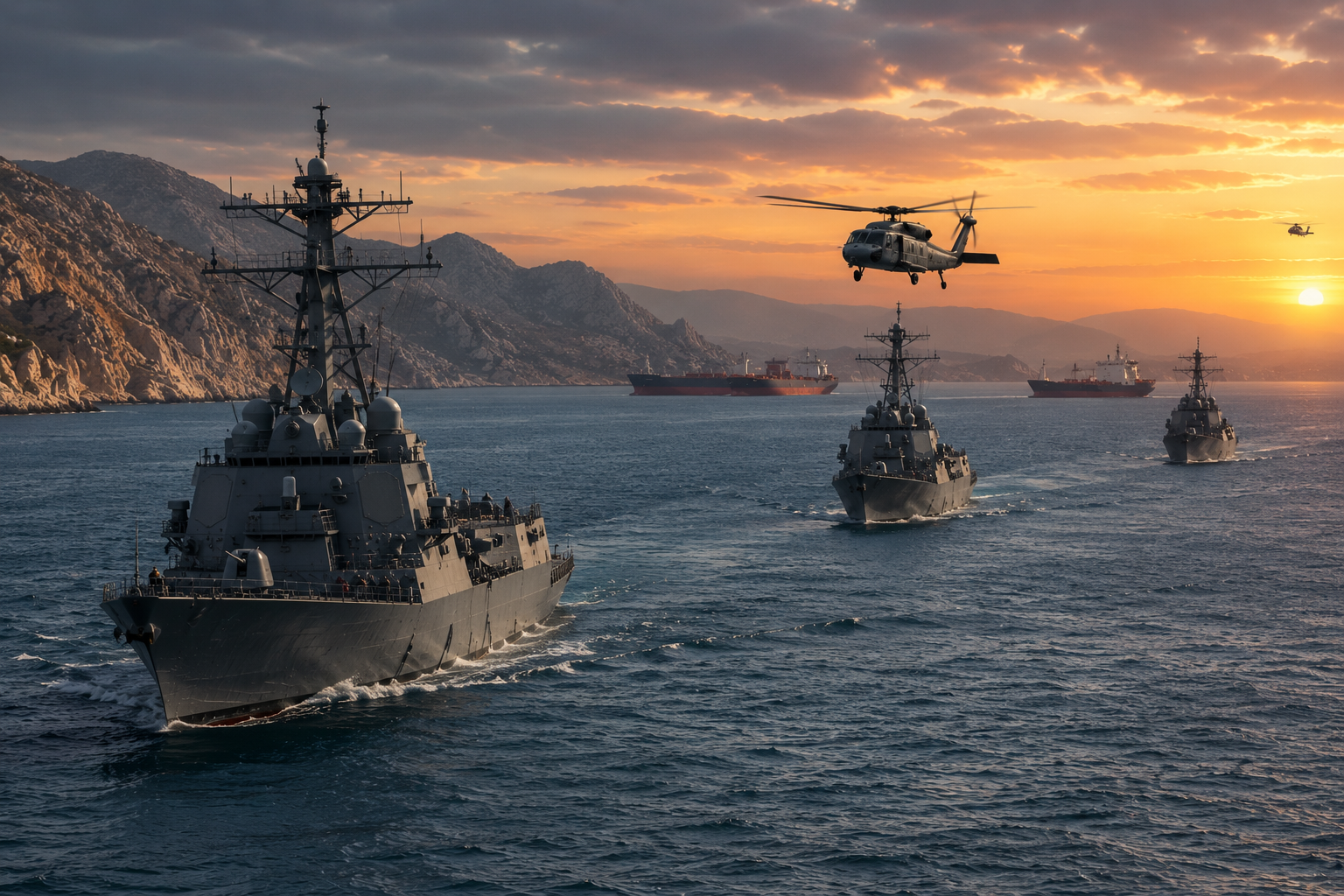
For weeks, the world watched the Middle East move closer to another dangerous crisis. Now, the latest Hormuz Operation have opened a small window for diplomacy after the United States paused a major military operation near one of the world’s most important shipping routes.
US President Donald Trump announced that the American military would temporarily stop its “Project Freedom” mission in the Strait of Hormuz after what he described as progress in discussions with Iran. The decision came during rising tensions across the region, including military activity near the Gulf and ongoing conflict involving Israel, Lebanon, and Iranian-backed groups.
The sudden pause has caught global attention because the Strait of Hormuz is one of the most critical waterways for oil transportation. Any instability there can quickly affect fuel prices, global trade, and international security.
At the same time, the announcement has raised an important question: Is this the beginning of a real diplomatic breakthrough, or only a temporary pause before tensions rise again?
Why the Strait of Hormuz Matters So Much – Hormuz Operation
The Strait of Hormuz is a narrow water route connecting the Persian Gulf to the Arabian Sea. A large share of the world’s oil shipments moves through this passage every day.
Because of its importance, even small military incidents in the area can shake global markets. Shipping companies, governments, and energy traders closely monitor every development in the region.
In recent weeks, tensions increased sharply after the US launched “Project Freedom,” a mission designed to escort commercial ships safely through the waterway. The operation came after reports of attacks, vessel disruptions, and growing security concerns.
However, Iran strongly criticized the move and accused the United States of increasing pressure in the region. Iranian officials also warned that foreign military actions could create more instability instead of improving security.
Trump Announces Pause in Military Operation – Hormuz Operation
The biggest development came when Donald Trump said the US would pause the military escort mission for a “short period” to allow negotiations with Iran to continue.
According to reports, the decision followed diplomatic communication involving Pakistan and several other countries that encouraged both sides to avoid further escalation.
Although the escort operation has paused, the US government made it clear that pressure on Iran has not completely ended. Reports stated that restrictions and naval measures connected to Iranian ports would remain active.
This move appears to be part of a larger strategy. Washington wants to maintain military leverage while also keeping diplomatic talks alive.
Many analysts believe the pause is designed to test whether Tehran is ready for a broader agreement.
Iran Responds With Strong but Careful Messaging – Hormuz Operation
Iran’s leadership responded cautiously to the latest developments.
Iranian President Masoud Pezeshkian said the United States continues to follow a policy of “maximum pressure” against Tehran. He stressed that Iran would not accept demands imposed from outside powers.
At the same time, Iran has continued diplomatic efforts with major international partners.
Iran’s Foreign Minister Travels to Beijing – Hormuz Operation
Iranian Foreign Minister Abbas Araghchi traveled to Beijing for talks with Chinese officials. The visit focused on regional security, diplomatic coordination, and broader international developments.
China remains an important player because of its economic relationship with Iran and its growing role in Middle East diplomacy.
The trip signals that Tehran is trying to strengthen international partnerships while negotiations with Washington continue indirectly.
Tensions Continue Despite Diplomatic Progress – Hormuz Operation
Even though diplomatic discussions are active, the region remains highly unstable.
Reports from the Gulf mentioned missile and drone incidents involving the United Arab Emirates. Iran’s Revolutionary Guard denied responsibility, while regional fears continued to grow.
Meanwhile, military tensions linked to Israel and Hezbollah also remain serious.
Conflict in Lebanon Adds More Pressure – Hormuz Operation
The conflict between Israel and Hezbollah has continued alongside the US-Iran standoff.
Israeli strikes reportedly hit areas in southern Lebanon, while Hezbollah launched attacks on Israeli targets near the border. The United States has publicly said it wants to prevent the fighting from becoming a full-scale regional war.
US officials argued that diplomacy is still possible, but they also blamed Hezbollah for blocking progress.
This complicated situation shows how multiple conflicts across the Middle East are now connected.
The Economic Impact of the Strait of Hormuz Crisis – Hormuz Operation
The world is paying close attention because the Strait of Hormuz affects more than politics.
Oil markets react quickly whenever tensions rise in the Gulf. Even rumors of disruptions can increase prices and create uncertainty for businesses and consumers worldwide.
Shipping companies have already faced delays and security concerns during the recent crisis. Thousands of crew members and commercial vessels were reportedly affected while waiting for safer conditions in the waterway.
Global Markets Watching Every Move – Hormuz Operation
Energy experts say stability in the Strait of Hormuz is essential for global economic confidence.
If talks between the US and Iran fail, markets could see another wave of volatility. On the other hand, any successful agreement could ease fears and help stabilize oil prices.
That is why investors, governments, and international organizations are carefully monitoring every statement coming from Washington and Tehran.
Pakistan’s Quiet Diplomatic Role Gains Attention – Hormuz Operation
One surprising part of the story is the growing diplomatic role played by Pakistan.
Reports suggest Pakistan helped pass messages between the United States and Iran during the latest negotiations.
While Islamabad has not publicly shared full details, its involvement highlights how regional countries are trying to avoid a larger war.
Pakistan’s efforts appear focused on reducing military escalation while encouraging direct communication between both sides.
This quiet diplomacy may become more important if future negotiations continue.
Can the US and Iran Reach a Long-Term Agreement? – Hormuz Operation
The biggest question now is whether the current pause can turn into a real diplomatic settlement.
So far, both sides remain careful with their public statements. Neither Washington nor Tehran has explained exactly what progress has been made or which issues remain unresolved.
However, several important signs suggest negotiations are active:
- The US paused a major military operation
- Iran continues high-level diplomatic meetings
- Regional countries are helping communication efforts
- Both sides are still talking instead of escalating further
Still, the path ahead remains difficult.
Major Challenges Still Exist – Hormuz Operation
Several issues continue to create tension between the two countries:
- Military activity near the Gulf
- Iran’s regional alliances
- Questions about sanctions
- Security concerns linked to shipping routes
- Ongoing regional conflicts involving Israel and Hezbollah
Because of these challenges, experts warn that even small incidents could damage the fragile diplomatic process.
Final Thoughts – Hormuz Operation
The latest Strait of Hormuz talks have created a rare moment of cautious optimism in a region that has faced weeks of uncertainty and military pressure.
President Donald Trump’s decision to pause the US escort operation shows that diplomacy is still possible, even during intense geopolitical tension. At the same time, Iran’s response makes it clear that deep disagreements remain unresolved.
The coming days could become extremely important for the future of the Middle East. If negotiations continue successfully, the region may avoid a larger conflict that could affect global trade, oil prices, and international stability.
For now, the world is watching closely as diplomacy and military pressure move side by side in one of the most sensitive regions on Earth.
Read another interesting news here: Morning Briefing May
